



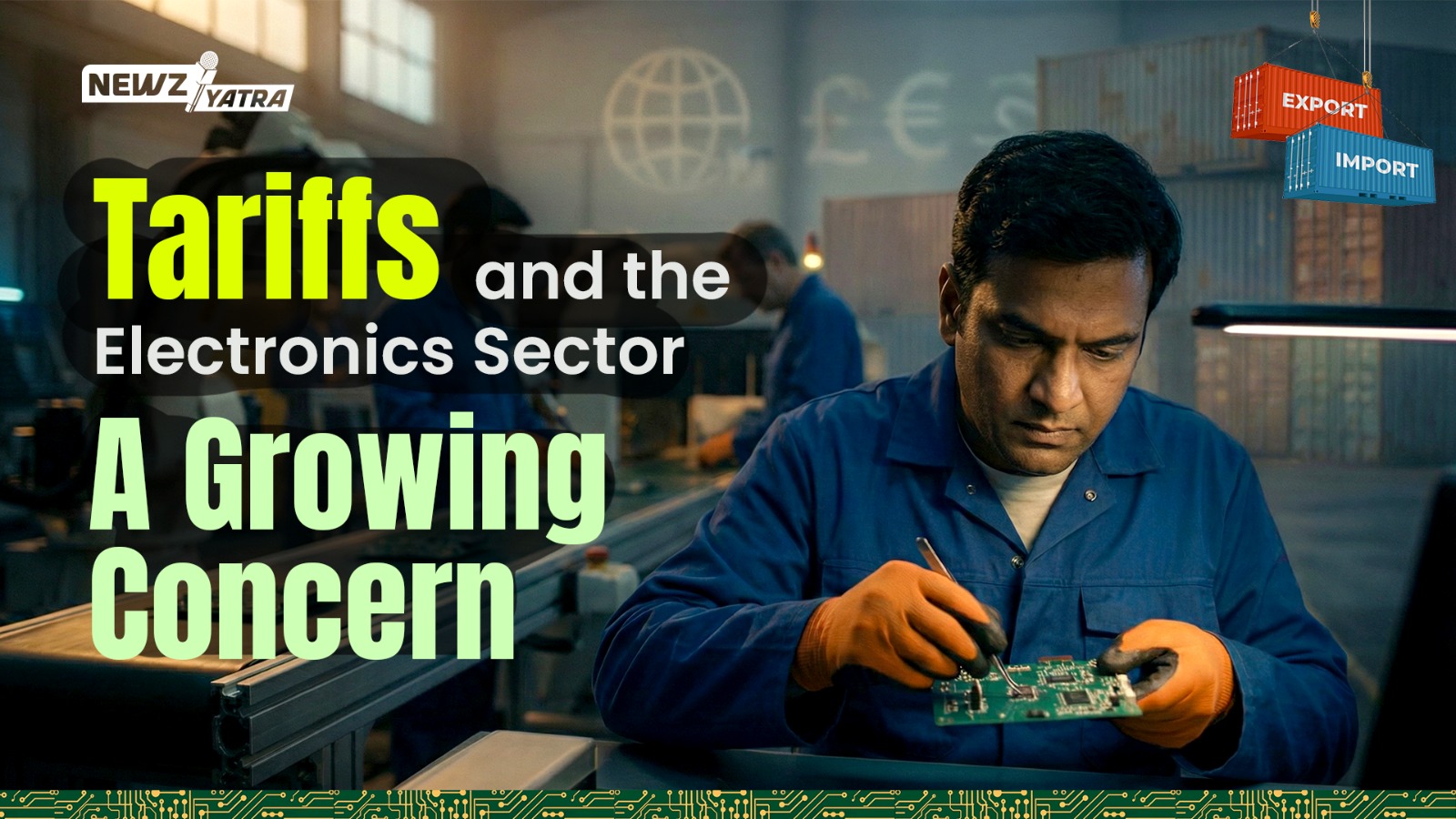
Tariffs and the Electronics Sector: A Growing Concern


The electronics sector is going through a difficult phase because of tariffs placed on imported goods, especially products coming from China. Electronics are used by almost everyone today—mobiles, laptops, TVs, and home appliances have become daily necessities. When tariffs increase, the effect is felt not only by companies but also by common people.
These tariffs increase the cost of production and distribution. As a result, prices rise, innovation slows down, and consumers get fewer choices. Both large companies and small businesses are affected in different ways.
Tariffs and the Electronics Sector: What It Means for Consumers and Manufacturers
Tariffs affect the electronics sector from both sides. On one side are consumers, who buy electronic products. On the other side are manufacturers, who make and sell these products. When tariffs increase, both groups have to adjust their decisions and expectations.
What It Means for Consumers (Tariffs and the Electronics Sector)
For consumers, tariffs mainly affect how much they pay and what options they have in the market.
When tariffs are applied, companies face higher costs. To recover these costs, they usually increase the prices of products. This makes electronics less affordable, especially for middle-class and budget buyers.
Effects on Consumers:
- Higher prices for mobile phones, laptops, and TVs
- Fewer models and brands available in stores
- Some features removed to control prices
- Delay in getting the latest technology
Example
When a new smartphone is launched, the company may either raise the price or remove premium features like better cameras or storage. This means consumers may pay more but get less value.
What It Means for Manufacturers(Tariffs a
Manufacturers face serious challenges when tariffs increase. Electronics manufacturing depends on many imported parts, and tariffs make these parts more expensive.
To manage higher costs, manufacturers may need to:
- Change their production process
- Invest in new machines or technology
- Train workers with new skills
- Shift factories to other countries
All these changes take time and money, which adds more pressure on businesses.
What Are Tariffs?
Tariffs are extra taxes charged by governments on imported goods. These taxes are added when products enter a country.
Simple Example
If a mobile phone costs ₹10,000 and a tariff is added, the price may increase to ₹11,000 or more. The extra amount is usually paid by the final buyer.
Tariffs directly increase the cost of goods, making them more expensive in the market.
Why Governments Use Tariffs:
Governments use tariffs for different reasons.
- Tariffs help protect local companies from foreign competition. When imported goods become expensive, local products get more attention.
- Tariffs reduce dependency on other countries for important goods.
- Governments earn money through tariff taxes, which helps in funding public services.
However, while tariffs help local industries, they also create problems for consumers.
Tariffs in the Electronics Sector:
In the electronics sector, tariffs are applied to many products.
These include:
- Mobile phones and smartphones
- Laptops, computers, and tablets
- Electronic parts like chips, batteries, and screens
Because electronics depend on these imported parts, tariffs affect the entire manufacturing process.
Why the Electronics Sector Is Highly Affected ?
The electronics industry works on a global supply chain. Different parts of a product come from different countries.
For example:
- Chips are made in one country
- Screens are made in another
- Final assembly happens somewhere else
Because of this:
- Electronics cross borders many times
- Every tariff adds extra cost
- Final product becomes expensive
Even a small tariff increase can raise the price of electronics a lot.
How Tariffs Impact the Electronics Sector
Increase in Product Prices
Higher tariffs increase the cost of importing parts and finished products. Companies usually transfer this extra cost to consumers.
As a result, prices increase for:
- Smartphones
Televisions
- Laptops
- Home appliances
Even if the product quality stays the same, customers pay more.
Delay in Product Launches
Tariffs make companies rethink their pricing and supply plans. This slows down decision-making.
Because of this:
- Production schedules are delayed
- Supply chains are reorganized
- New products reach the market late
Consumers have to wait longer for new technology.
Reduced Innovation
When companies spend more money on tariffs, they have less money left for research and development.
This means:
- Fewer new ideas are tested
- New technology takes longer to develop
- Innovation becomes risky and costly
Over time, this slows progress in the electronics industry.
Effect of Tariffs on Consumers
Consumers feel the effect of tariffs in daily life.
Main effects include:
- Electronics becoming more expensive
- Fewer affordable options available
- Higher repair and service costs
- Accessories becoming costly
For middle-class families, buying electronics becomes a major financial decision.
Effect on Small Electronics Businesses
Small electronics businesses suffer the most because they do not have large budgets.
They import parts in small quantities, which makes tariffs more expensive for them.
When tariffs increase:
- Their operating costs rise quickly
- Profit margins become very small
- Business survival becomes difficult
Many small shops struggle to compete with big brands.
Problems and Challenges Created by Tariffs
Tariffs create several broader problems.
They increase inflation, as product prices rise across the market. They also create trade conflicts between countries, which affects global trade.
When electronics become expensive, people buy less, which slows down economic growth.
Future of Tariffs in the Electronics Sector
In the future, many changes are expected.
Governments may change tariff policies based on economic needs. Companies will look for new suppliers and new countries for manufacturing.
Local manufacturing will increase, and businesses will focus on reducing costs through automation and efficiency.
Conclusion
Tariffs play an important role in the electronics sector. They help protect local industries but also make electronics expensive for consumers. They affect prices, innovation, and business growth.
Understanding tariffs helps people know why electronics are becoming costly and how global trade decisions affect everyday products.
Cryptocurrency in 2025: What You Need to Know Before Investing!